Artificial intelligence is often discussed as a tool for generating answers, but one of its most powerful uses in education may be something very different: extending the classroom beyond school hours.
When used thoughtfully, AI can act as a discussion partner, tutor, and thinking coach, allowing students to practice complex academic skills at their own pace. One example where this has proven particularly effective is in preparing students for Socratic seminars.
In my 9th grade English Language and Literature class, I experimented with using AI as a practice partner to help students develop the skills needed for meaningful academic discussions.
The Challenge of Teaching Socratic Seminars
Socratic seminars are one of the most powerful strategies in literature classrooms. They encourage students to:
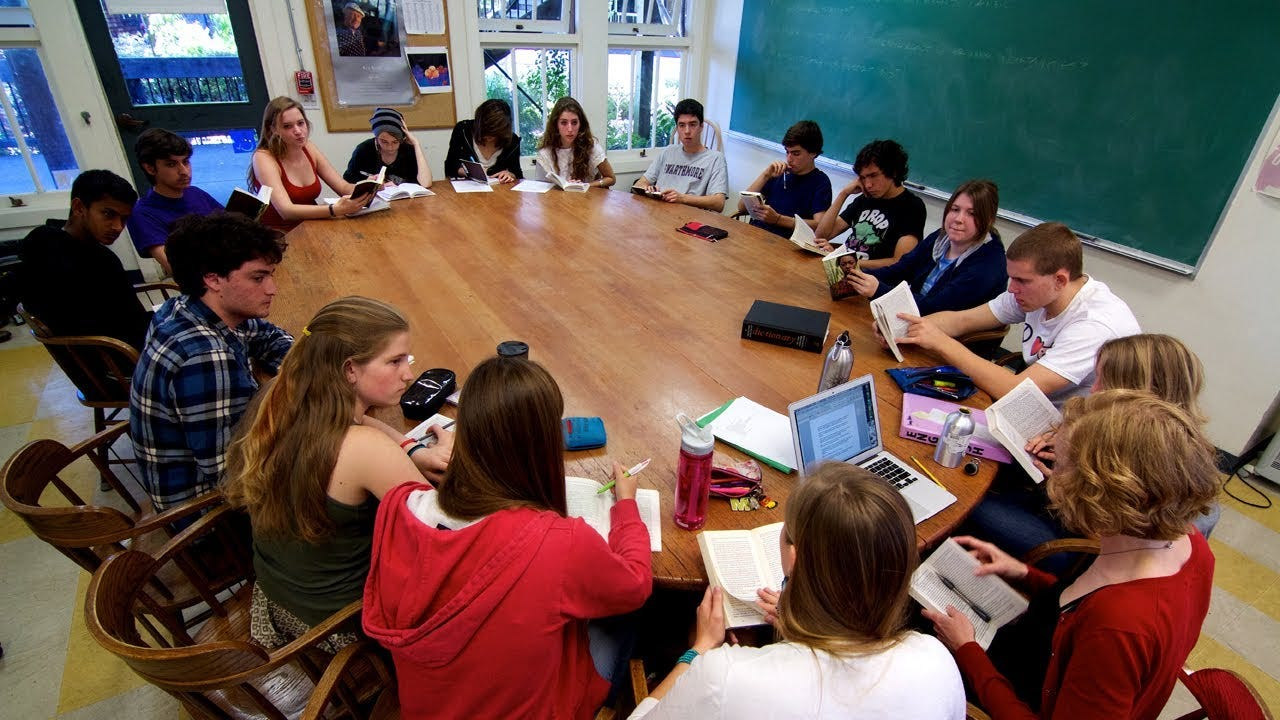
- discuss ideas deeply
- listen actively to others
- build on each other’s thinking
- support arguments with textual evidence
- challenge perspectives respectfully
In theory, Socratic seminars are an ideal form of inquiry-based learning.
In practice, however, they are often difficult to implement regularly.
Teachers must invest significant time preparing students to participate meaningfully. It is also challenging to ensure that all students contribute, especially in classrooms with diverse learning needs.
Many students require additional support, such as:
- extended thinking time
- language scaffolding for multilingual learners
- confidence-building before speaking publicly
- structured opportunities to rehearse ideas
Because of these challenges, Socratic seminars sometimes end up being used less frequently than educators would like.
Using AI as a Socratic Practice Partner
To address these challenges, I created a custom AI chatbot for my students to practice Socratic seminar discussions at home.
The chatbot was carefully prepared with:

- instructions on how Socratic seminars work
- the central texts for the unit: Romeo and Juliet and Baz Luhrmann’s film adaptation
- discussion prompts about societal issues in the texts
- guidance encouraging students to extend ideas rather than simply answer questions
Students were asked to practice discussion skills with the AI outside the classroom.
In this context, AI became a teacher, peer, and tutor simultaneously.
Students could engage with the chatbot by:
- asking questions about the text
- responding to discussion prompts
- testing their interpretations
- practicing how to build on another person’s idea
This allowed them to rehearse the intellectual moves needed for real academic dialogue.
Why AI Supports Deeper Learning
One of the interesting observations from this experience was how students interacted with AI when they were free from classroom pressure.
Many students reported that they felt more comfortable exploring ideas because they were not being judged by peers or assessed immediately by the teacher.
AI provided a low-pressure environment for thinking aloud.
Students could:
- take their time formulating responses
- experiment with interpretations
- ask follow-up questions
- revisit parts of the discussion
They could also engage with the AI in ways that suited them best—using text, voice, or even their preferred language.
In many ways, AI became the sounding board students needed to develop their thinking before sharing it in class.
Bringing the Learning Back Into the Classroom
After practicing with AI, students returned to class for a series of Socratic seminars.
These included:
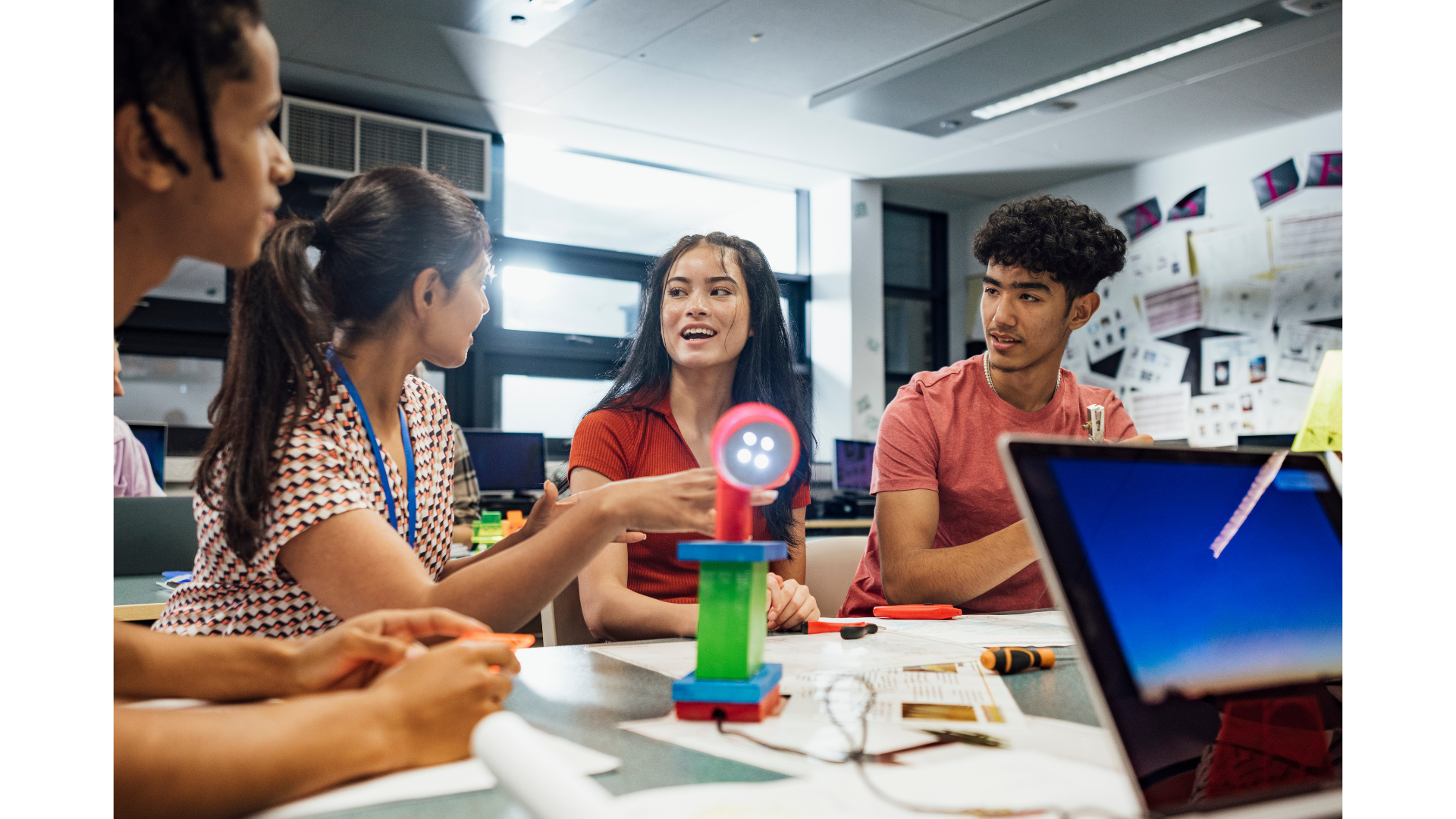
- teacher-modeled discussions
- partially rehearsed seminars
- student-led discussions
Because students had already practiced their ideas with AI, they arrived better prepared.
Many students had anticipated possible directions the discussion might take. They had already explored arguments, counterarguments, and textual evidence.
However, they quickly discovered something important.
A real Socratic seminar requires something that no rehearsal can fully predict: listening to others and adapting your thinking in real time.
Students realized that the conversation could move in completely unexpected directions depending on their classmates’ ideas.
This became one of the most valuable learning moments.
AI had not given them the answers—it had helped them develop the intellectual flexibility needed for authentic dialogue.
Student Reflections
Student reflections on this experience were overwhelmingly positive.
Many students reported that practicing with AI helped them:
- feel more confident speaking during discussions
- better understand the texts
- prepare thoughtful questions
- organize their ideas before the seminar
Perhaps most importantly, students recognized that Socratic seminars are not about defending a single opinion, but about expanding collective understanding through dialogue.
They practiced the key dispositions of academic conversation:
- curiosity
- open-mindedness
- respectful disagreement
- collaborative meaning-making
AI as an Extension of the Teacher
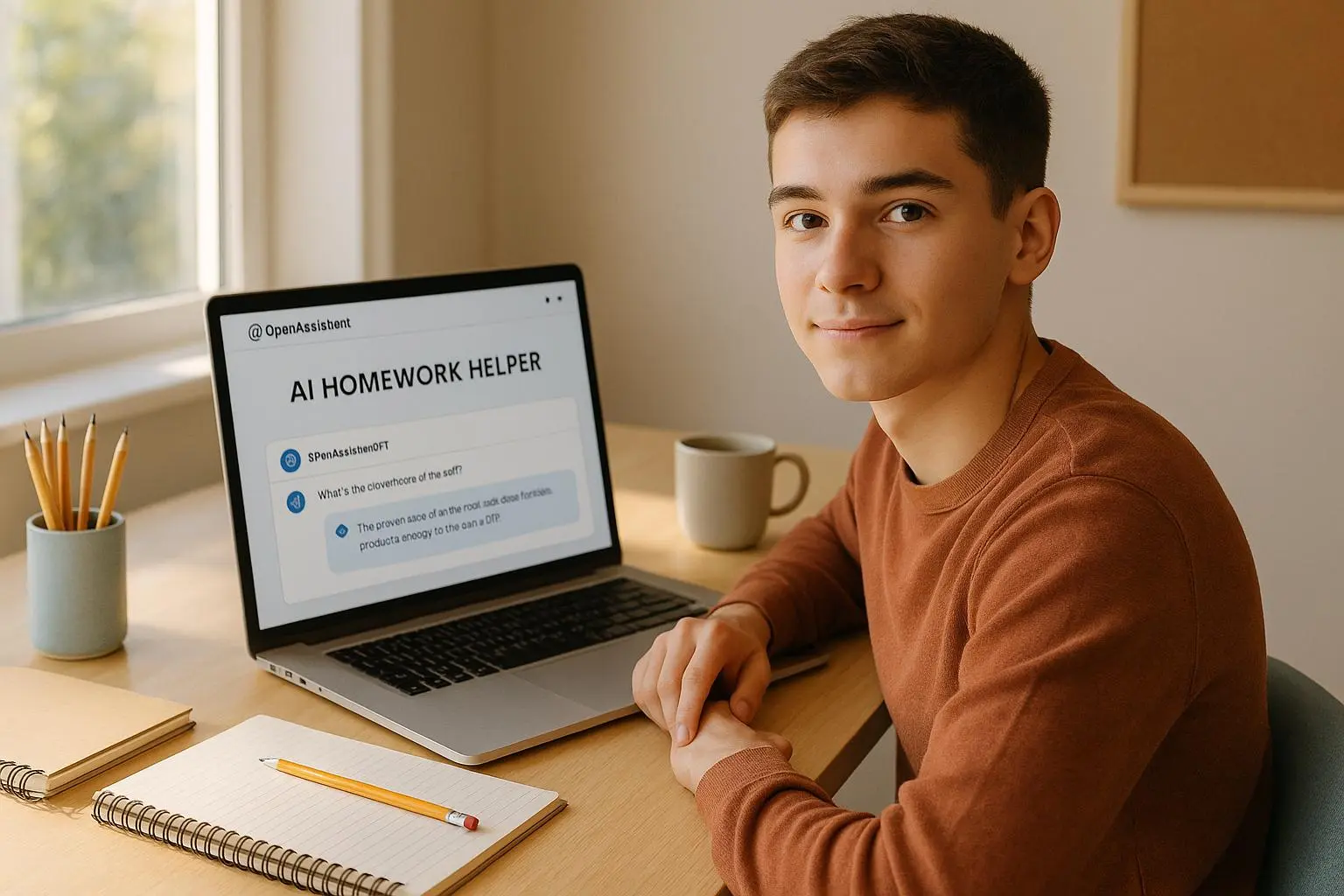
As teachers, it is rare to see a moment where all students are engaged, supported, and practicing a skill at the same time.
AI helped make this possible.
Every student had access to a discussion partner at home.
Every student could rehearse the thinking required for academic dialogue.
Rather than replacing the teacher, AI extended my role beyond the classroom walls.
It allowed learning to continue wherever students were—and helped ensure that when they returned to class, they were ready to participate, listen, and think together.
Final Thoughts
Artificial intelligence is not a shortcut for learning.
But when used intentionally, it can become a powerful tool for practice, reflection, and preparation.
For skills like Socratic seminars—which require time, confidence, and intellectual flexibility—AI can help students build the foundation they need to participate meaningfully in real discussions.
In this sense, AI becomes not just a tool, but a bridge between independent learning and collaborative inquiry.
 Ramazan Dicle