by Ramazan Dicle
Prague, 05 October 2025
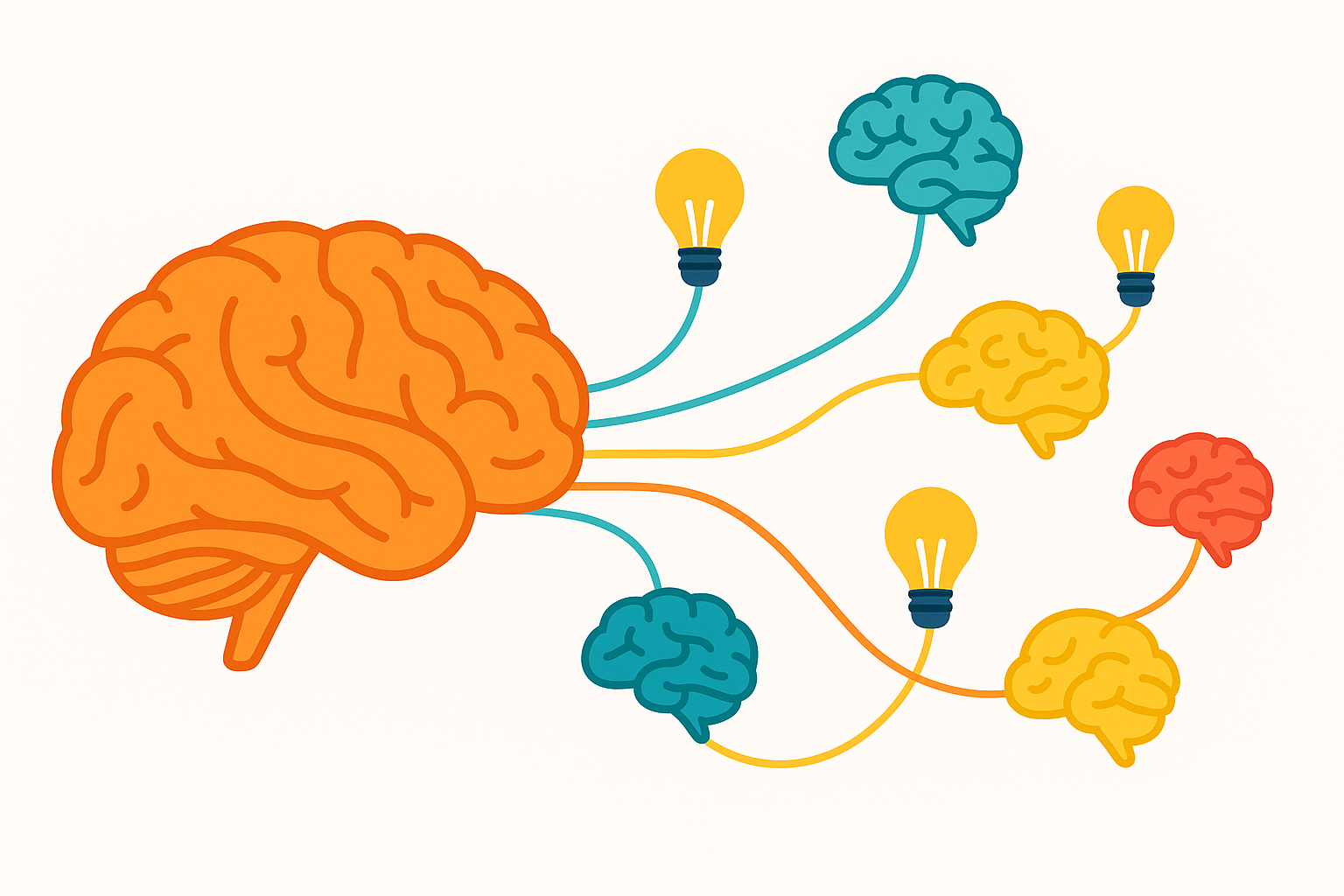
We are living through a quiet but profound transformation in how we think, learn, and build knowledge together. For decades, education has largely focused on developing individual cognition: helping learners understand, analyze, and synthesize information within their own minds. But what happens when we start thinking together—visibly, synchronously, and expansively—across digital spaces?
As both a teacher and an IB workshop leader, I’ve had the privilege of witnessing this evolution unfold in classrooms and professional learning communities. By intentionally using digital tools not merely for sharing but for building onto each other’s ideas, we are creating collective cognitive spaces that expand and deepen learning far beyond the capacity of any single human brain—including the teacher’s.
From Individual Perspectives to Shared Cognitive Landscapes
Traditionally, the classroom has been a place where individual perspectives are voiced one at a time. A student answers a question; another responds. A teacher writes on the board; students copy. Even in group work, thinking often remains fragmented: pockets of ideas discussed in corners, some shared publicly, most lost in the process.
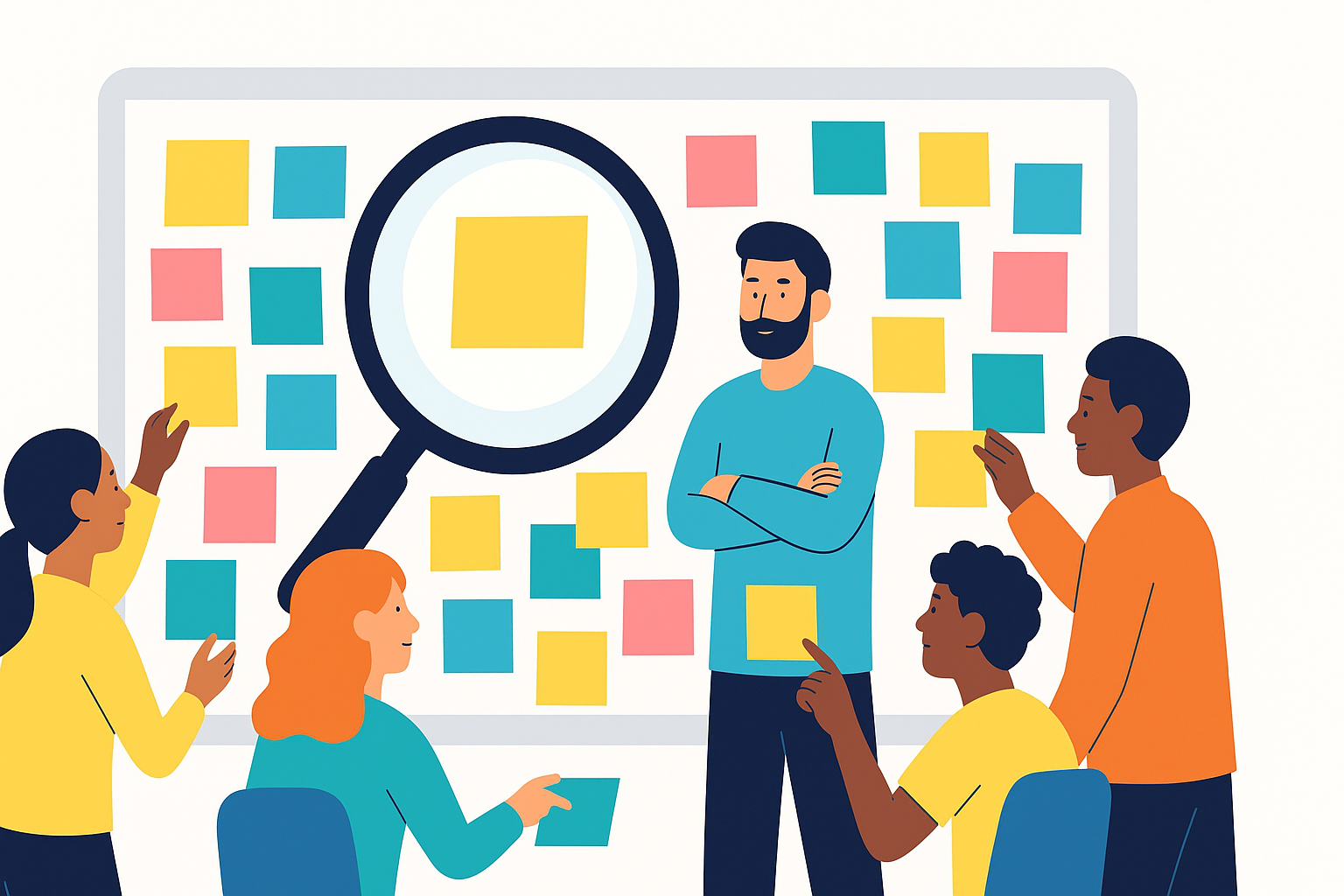
Digital tools are changing that dynamic entirely. Platforms like Padlet, Jamboard, Miro, and similar collaborative spaces are not just containers for content—they are thinking spaces. They allow learners to externalize their ideas, visualize their thought processes, and most importantly, see each other’s thinking in real time.
In my workshops with educators, for instance, I frequently use Padlet boards as collective canvases. Each participant responds to prompts simultaneously, zooming in to articulate their own thinking while zooming out to observe the emerging fabric of everyone else’s contributions.
This “zoom in / zoom out” dynamic is powerful. It nudges participants out of the comfort zone of their single perspective and invites them into a shared cognitive landscape where multiple perspectives coexist, interact, and evolve.
Adding Constraints to Spark Expansion
One simple but transformative element I often introduce is a constraint:
“Do not repeat what has already been said. Add onto it.”
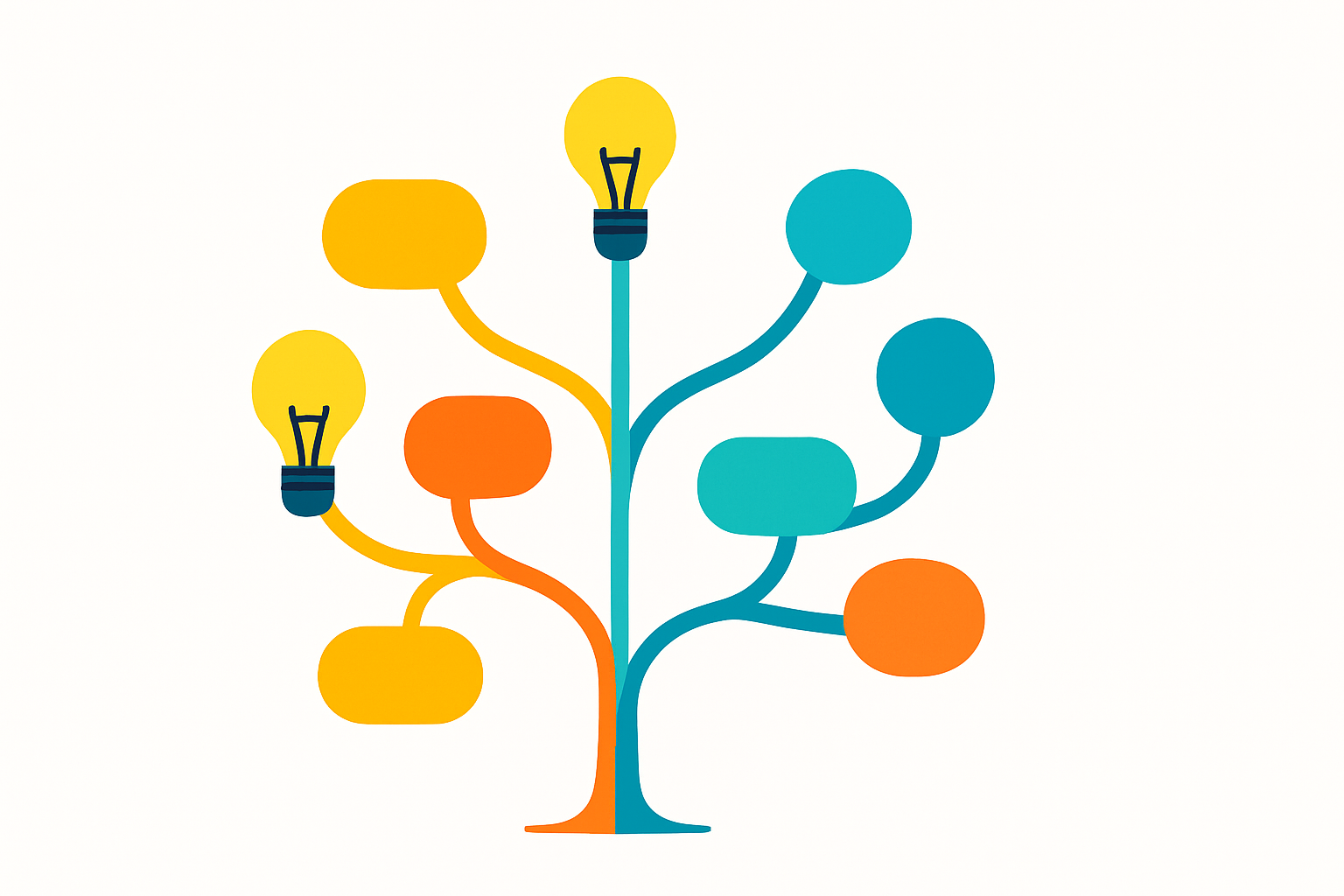
This small instruction fundamentally shifts the quality of engagement. Instead of reproducing similar ideas, participants are forced to read, analyze, and build. They must compare, contrast, connect, and synthesize in real time.
Very quickly, the board stops being a collection of isolated thoughts. It becomes a living structure of knowledge—layered, interwoven, and textured. Participants begin responding not just to the facilitator’s prompt but to each other, constructing a shared understanding that no individual participant could have built alone.
In a recent IB workshop, I used this approach with subject-group teachers from different schools. Within minutes, we witnessed a kind of thinking synergy: educators collaboratively analyzing a common prompt, challenging each other’s perspectives, and creating new conceptual bridges on the spot. It was both humbling and exhilarating.
Beyond Synthesis: The Rise of Collective Cognition
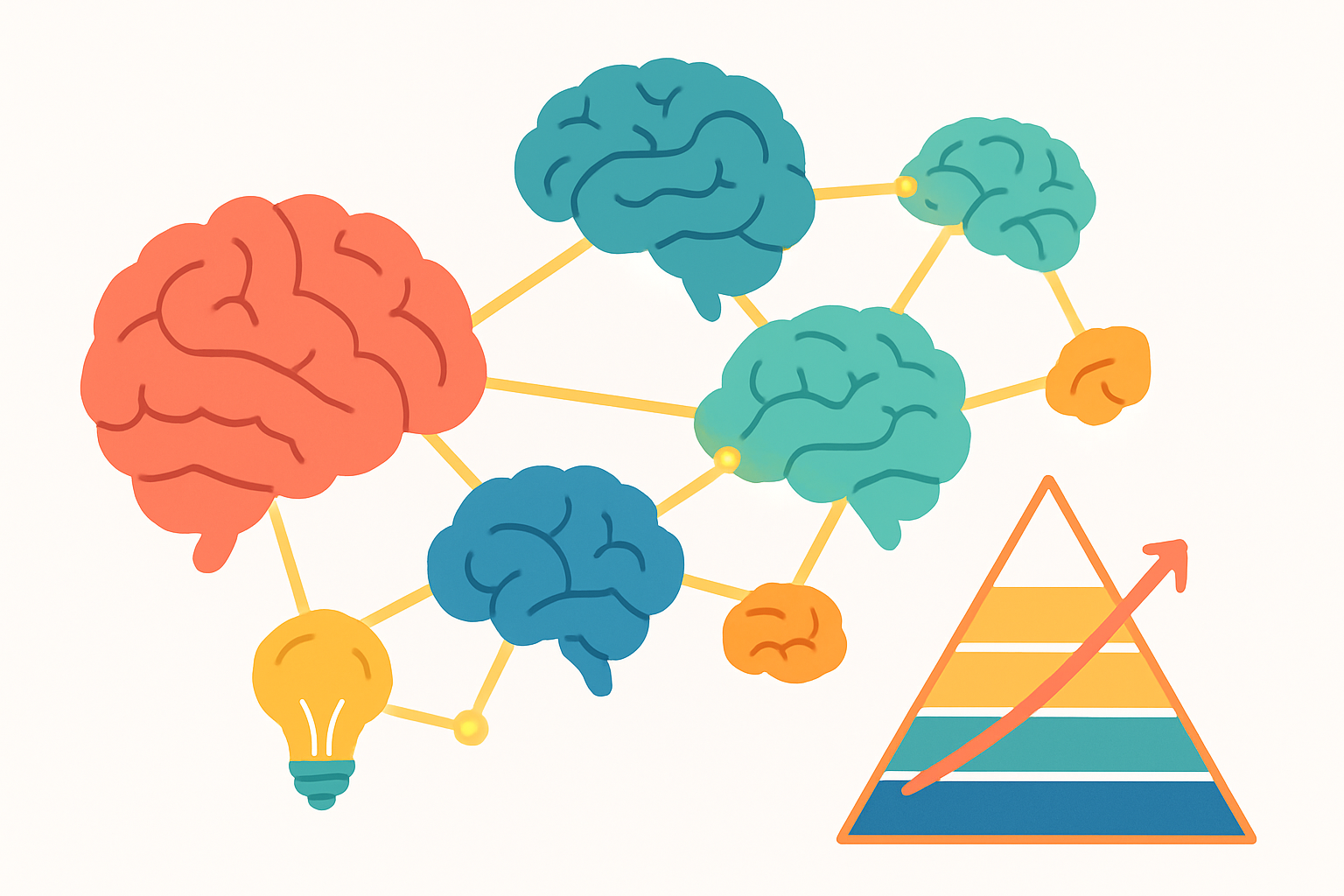
Educational frameworks like Bloom’s Taxonomy have served us well in articulating the stages of individual thinking—moving from remembering to understanding, applying, analyzing, evaluating, and synthesizing. But Bloom was designed in an era where cognition was fundamentally individual.
When several minds analyze and synthesize together, something qualitatively different emerges. Synthesis happens in one brain; collective cognition happens across many brains, simultaneously and visibly.
Participants build not just on information, but on each other’s interpretations, experiences, and cultural lenses. The result is an evolving, dynamic cognitive space—a kind of “shared brain” temporarily formed for the purpose of learning and discovery.
This is not a futuristic idea. It is happening now, in classrooms and workshops around the world.
AI as Tool, Humans as Thinkers
The rise of AI might make this sound like a story of human cognition being replaced. But in fact, the opposite is true. AI is not the thinker here—people are.
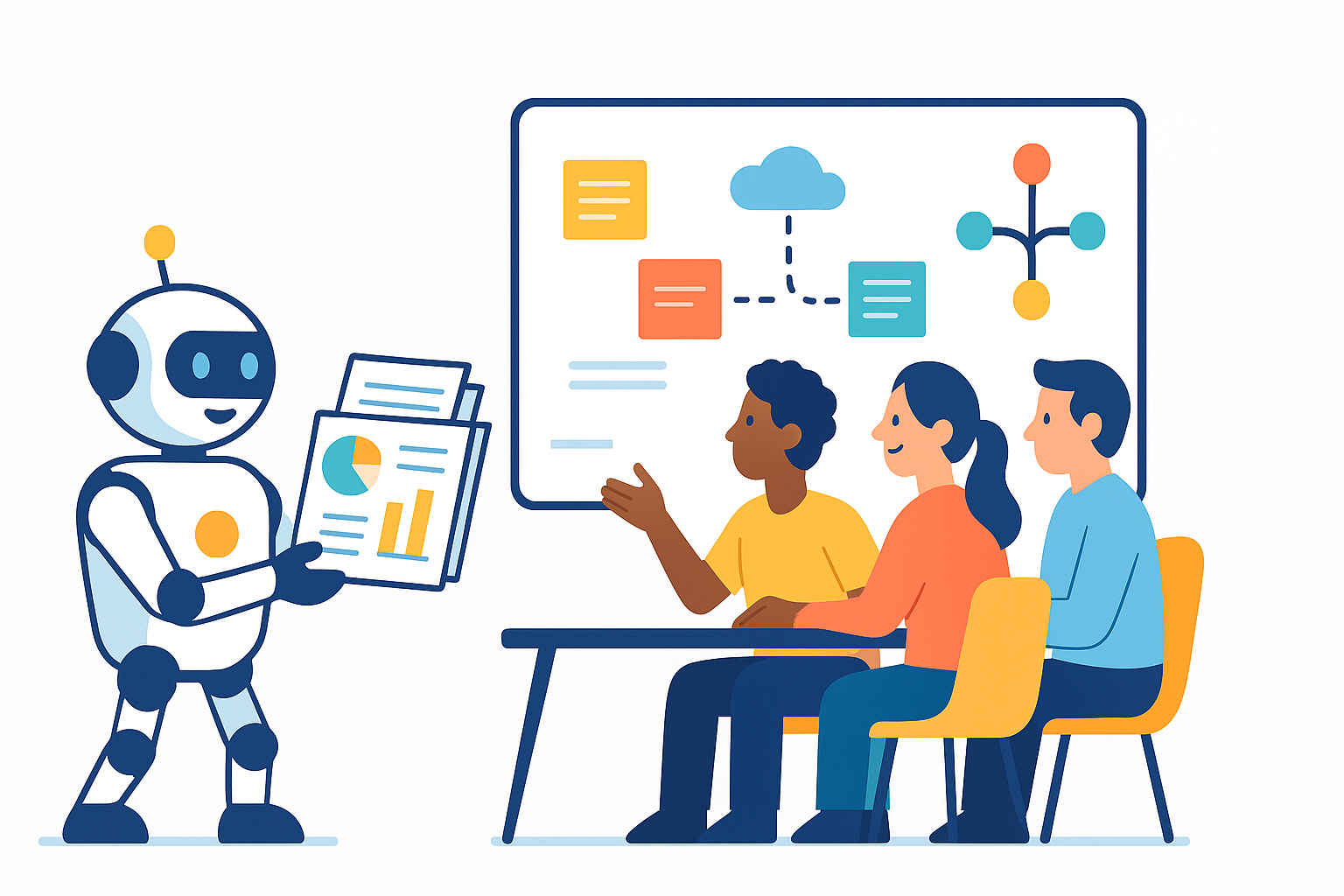
AI can sift through oceans of information, summarize, translate, or surface patterns. It is a filter, amplifier, and extender. But what transforms that information into knowledge—and eventually into understanding and wisdom—is still human collective engagement.
As educators, we are learning to lead the thinking. We set the direction, structure the engagement, and cultivate the conditions for collective cognition. AI becomes a supporting tool, not a substitute for human insight.
A Classroom Example: Idioms Around the World
This idea comes alive beautifully in my MYP 1 English Language and Literature classes.
While exploring figurative language, I asked students to share one English idiom and one idiom from their home language (or another language they speak). The only rule:
“You cannot duplicate what someone else has shared.”
This meant students had to read carefully before posting. The results were astonishing. Across two classes, students contributed around 100 idioms—50 in English and 50 from various languages around the world.
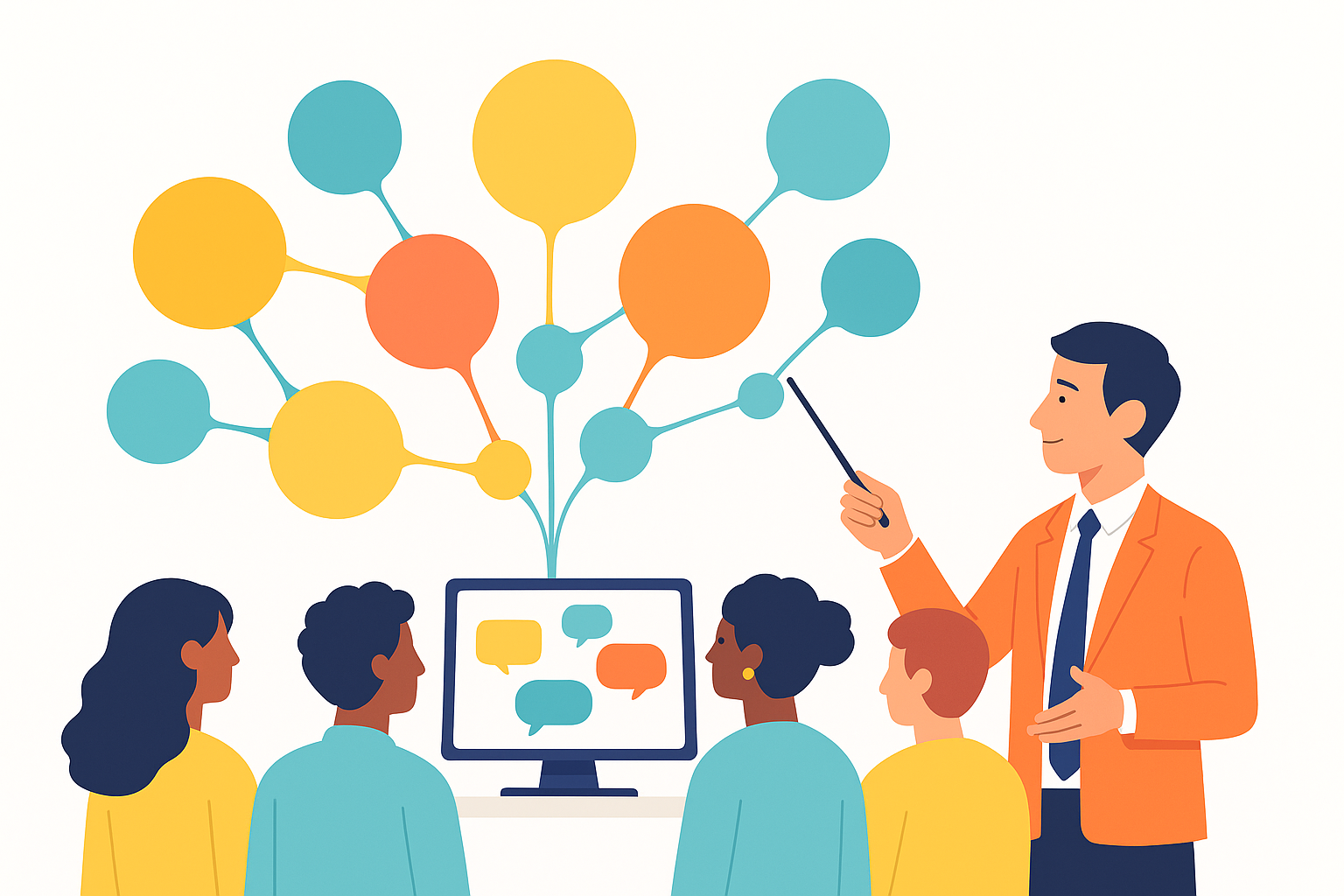
They used digital tools to research, translate, and find examples—sometimes with AI assistance. But the real magic happened when their posts began to form a tapestry of linguistic and cultural knowledge.
I then invited students to like and comment on others’ posts, explaining why they found certain idioms interesting. The follow-up group discussions, where they debated their top five idioms, were some of the most engaged, joyful, and intellectually rich conversations I’ve witnessed in a classroom.
It wasn’t just language learning—it was perspective-taking, cultural empathy, critical analysis, and synthesis happening simultaneously across dozens of young minds.
Implications for Teaching and Learning
What does all this mean for us as educators?
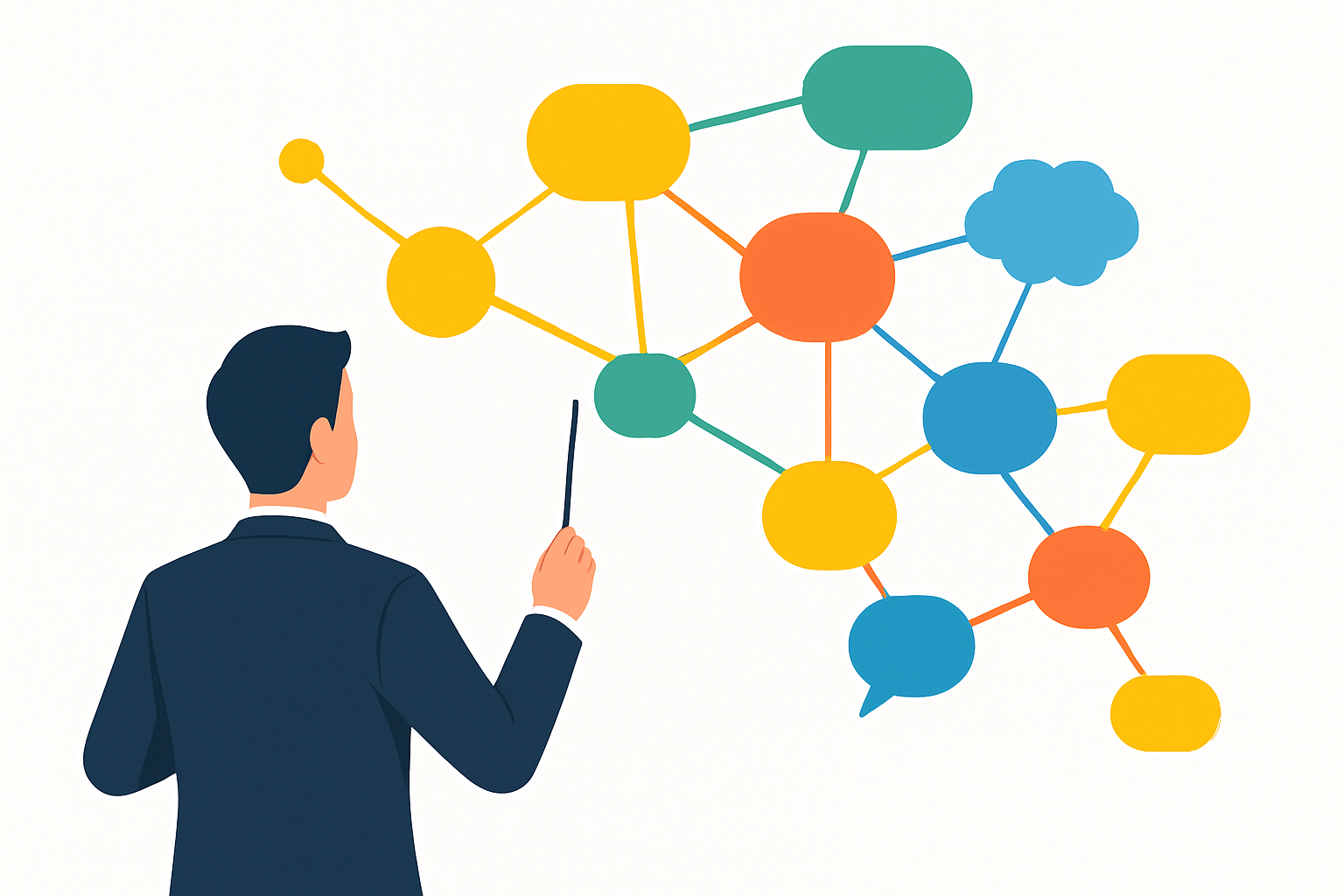
- Teaching is shifting from delivery to orchestration.
Our role is no longer to be the sole source of knowledge, but to design environments where collective thinking can flourish. - Digital tools are becoming architectures for thought.
Padlet, Jamboard, Miro, and other platforms are not just apps—they are cognitive spaces that make thinking visible, shareable, and expandable. - We are cultivating empathetic, plural thinkers.
By practicing collective cognition, learners encounter diverse perspectives in real time, fostering empathy, flexibility, and nuance—skills our world urgently needs. - Bloom’s Taxonomy needs a companion.
Perhaps it’s time to articulate a Collective Thinking Taxonomy that maps how learners build knowledge together. Where Bloom ends at synthesis, collective thinking begins.
We Are Already There
It might sound futuristic to imagine human thinking becoming interdependent and collectively constructed. But this isn’t the future—it’s the present reality of classrooms and workshops that embrace digital collaboration thoughtfully.

Through structured use of digital tools, human intelligence is becoming networked, empathetic, and expansive. As educators, we stand at the frontier—not of replacing human thought with machines, but of expanding human thought together, using tools as our scaffolds.
Our challenge and opportunity is clear:
– Design for collective cognition.
– Lead the thinking.
– Let tools support, not define, our shared intellectual journeys.
Final Reflection
When I stand in front of a Padlet board filled with interconnected ideas—from students or educators around the world—it feels like looking at a living brain. Each response is a neuron; each connection a synapse; each collective insight a moment of shared understanding that no one person could have produced alone.
This is the kind of learning space I want to keep building: liberating, interconnected, and deeply human.
 Ramazan Dicle